

# Anti Faking Technology: How Contemporary Products Are Guarded
Counterfeiting can affect products across many industries, creating dangers for manufacturers, suppliers, retailers, and customers. Fake products might imitate legitimate items, packaging, labels, or perhaps documentation closely plenty of to make identity difficult.
Anti faking technology provides tools and techniques built to make unauthorized duplication more difficult and to help figure out whether a product or package is definitely genuine. These systems vary from visible safety features to superior systems that can easily be verified in electronic format.
## What Is Anti Counterfeiting Technology?
Anti counterfeiting technological innovation describes methods used to protect items, packaging, documents, and other items coming from unauthorized reproduction or perhaps imitation.
The technology can serve several purposes. It may well help consumers identify authentic products, permit businesses to track products through submission channels, or supply investigators with data when suspected phony goods are learned.
Effective protection usually involves multiple levels rather than depending on a single protection feature.
## The reason why Multiple Layers of Protection Matter
The basic security function may be copied once counterfeiters understand how it works. Combining several technologies generates a more advanced system that will is harder to reproduce accurately.
Regarding example, a merchandise could use an obvious feature that customers can inspect, the hidden feature that requires specialized equipment, and a digital identifier that could be checked against some sort of secure database.
This kind of layered approach can increase the trouble of producing convincing counterfeits while providing distinct techniques of authentication.
## Common Types associated with Anti Counterfeiting Technological innovation
Several technologies could be used to be able to protect products and product packaging.
### Holographic Functions
Holographic effects can easily create visually exclusive images that transformation appearance when seen from different angles. They can get incorporated into trademarks, packaging, or additional product components.
### Tamper-Evident Capabilities
Tamper-evident elements are made to present visible evidence any time packaging has been opened up, altered, or interfered with. These attributes can help shield products while in addition providing an easy indication of potential tampering.
### Specific Inks
Security inks can contain attributes which can be difficult to be able to reproduce using normal printing methods. Many features are obvious under normal lighting, while others need specific conditions or equipment to detect.
### Microtext
Very small text can end up being incorporated into printed designs as some sort of security feature. Reproducing microtext accurately can be difficult whenever counterfeiters use low-quality printing or checking processes.
### Machine-Readable Requirements
Unique unique codes can provide products along with individual digital personal. Depending on the system, limitations can be scanned to be able to retrieve information regarding authenticity, production, supply, or product background.
### Invisible or perhaps Hidden Functions
Several authentication features will be intentionally difficult to see without specialized products. These can provide an additional layer regarding protection for qualified personnel, inspectors, or perhaps investigators.
## Product Authentication and Traceability
Authentication and traceability are closely connected but serve different purposes.
Authentication concentrates on determining whether a specific thing is genuine. Traceability centers on understanding in which an item arrived from and how it moved throughout the offer chain.
Combining the two capabilities can provide tougher protection. An exclusive designation, for example, could help establish whether a product corresponds in order to a legitimate manufacturing record while in addition providing information about its distribution history.
## The Part of Digital Technological innovation
Modern anti faking technology increasingly mixes physical security benefits with digital techniques. Digital identifiers might connect physical goods to secure sources, verification platforms, or perhaps supply-chain records.
This method can make this possible to monitor items beyond the actual regarding manufacture. It can possibly give useful data concerning suspicious activity, uncommon distribution patterns, or repeated attempts to be able to authenticate the identical designation.
## Designing the Effective Security Strategy
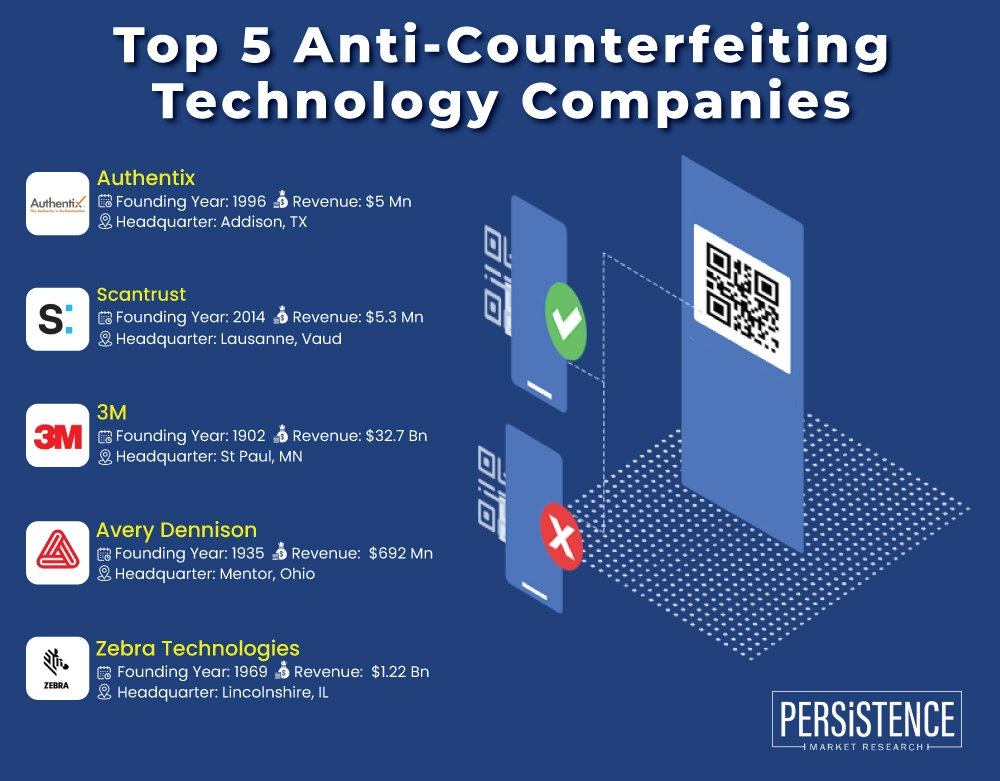
The most ideal anti counterfeiting technology depends on typically the product, packaging, submission model, expected dangers, and authentication specifications.
Important considerations include:
* How easily some sort of feature can be replicated
* How the feature will be confirmed
* Whether consumers need to authenticate the merchandise
* No matter if specialized equipment will be available
* Just how products are monitored through distribution
* How frequently security features should change
* How authentication data is protected
An excellent system have to balance security, usability, cost, and functionality.
## Staying Forward of Counterfeiters
Faking techniques can evolve as technology will become more accessible. Burglar alarms therefore need in order to be reviewed routinely rather than dealt with as permanent alternatives.
Updating authentication approaches, improving monitoring, studying counterfeit attempts, plus combining physical in addition to digital protections can assist maintain stronger protection over time.
## Summary
Anti faking technology plays the important role inside protecting products, presentation, supply chains, and even consumers from unapproved imitation. From customized printing features and even tamper evidence to unique digital identifiers and hidden authentication methods, there are several methods to build levels of protection.
The strongest approach will be rarely based on one feature on your own. A carefully developed mix of physical safety measures, digital verification, traceability, and ongoing supervising can make counterfeiting more difficult while generating legitimate products simpler to authenticate.